The Kids' Online Safety Playbook: A Grade-by-Grade Guide to Staying Safe Online
A digital safety playbook written for kids, pre-teens, and teens. Learn how to spot online scams, handle group chat drama, avoid catfishes, and stay safe in every grade.

Beyond the Basics: Realistic Internet Safety for Neurodivergent Adults
Internet safety isn't just for kids. Discover realistic digital safety strategies for adults, why neurodivergent adults face higher catfishing risks, and how to protect your boundaries.

When Failure Feels Like Physical Pain: Understanding RSD in ADHD and Autistic Gamers
Ever feel physical pain or intense shame after losing a game or missing a play? Discover the psychology of Rejection Sensitive Dysphoria (RSD) in neurodivergent gamers.
Breaking the Cycle: Why Autistic, ADHD, and AuDHD Individuals Are More Vulnerable to Bullying and Abuse
Discover the psychological reasons why Autistic, ADHD, and AuDHD individuals face higher rates of bullying, manipulation, and victimization—and how to build safety.
The Hidden Spectrum: Why Neurodivergence Looks Different in Women (And Why It’s Missed)
Ever wondered why so many women are diagnosed with ADHD or Autism in adulthood? Discover how masking, internalized symptoms, and diagnostic bias hide female neurodivergence.
Digital Havens: The Powerful Intersection of Video Game Culture and LGBTQIA+ Identity
Discover how video games, character creation, and digital communities provide vital safe spaces for LGBTQIA+ identity exploration and mental well-being.

The Paradox of Play: Why Having 100 Games Makes You Want to Play None of Them
Stare at your massive Steam or console library and end up playing nothing? Discover the cognitive science behind choice overload and how to beat gaming decision fatigue.
De-escalating the "Rage Quit": How Games Teach Distress Tolerance in Real Time
Ever caught yourself or your kid "rage quitting" a game? Discover the neuroscience of game frustration and how to build real-time distress tolerance.
Cozy Games vs. High-Stakes Shooters: Matching Your Game to Your Nervous System
Ever feel more stressed after playing video games? Learn how to do a 30-second sensory audit and match your game genre to your nervous system.

The Psychology of the "Pile-On": Why It’s So Easy to Be Mean Online
Ever wondered why it’s so easy for people to join online hate mobs? Discover the cognitive science behind the online disinhibition effect, social proof, and digital dogpiling.
Building True Self-Worth: How Video Games Support Confidence in Middle Schoolers
Middle school is tough on self-esteem. Discover how video games give 11-to-14-year-olds a safe space to practice resilience, master skills, and build real-world confidence.
Digital Guilds, Real Connection: How Multiplayer Gaming Fights Adult Loneliness
Struggling to make friends as an adult? Discover how multiplayer gaming, digital guilds, and task-based socializing build authentic, lasting human connection.
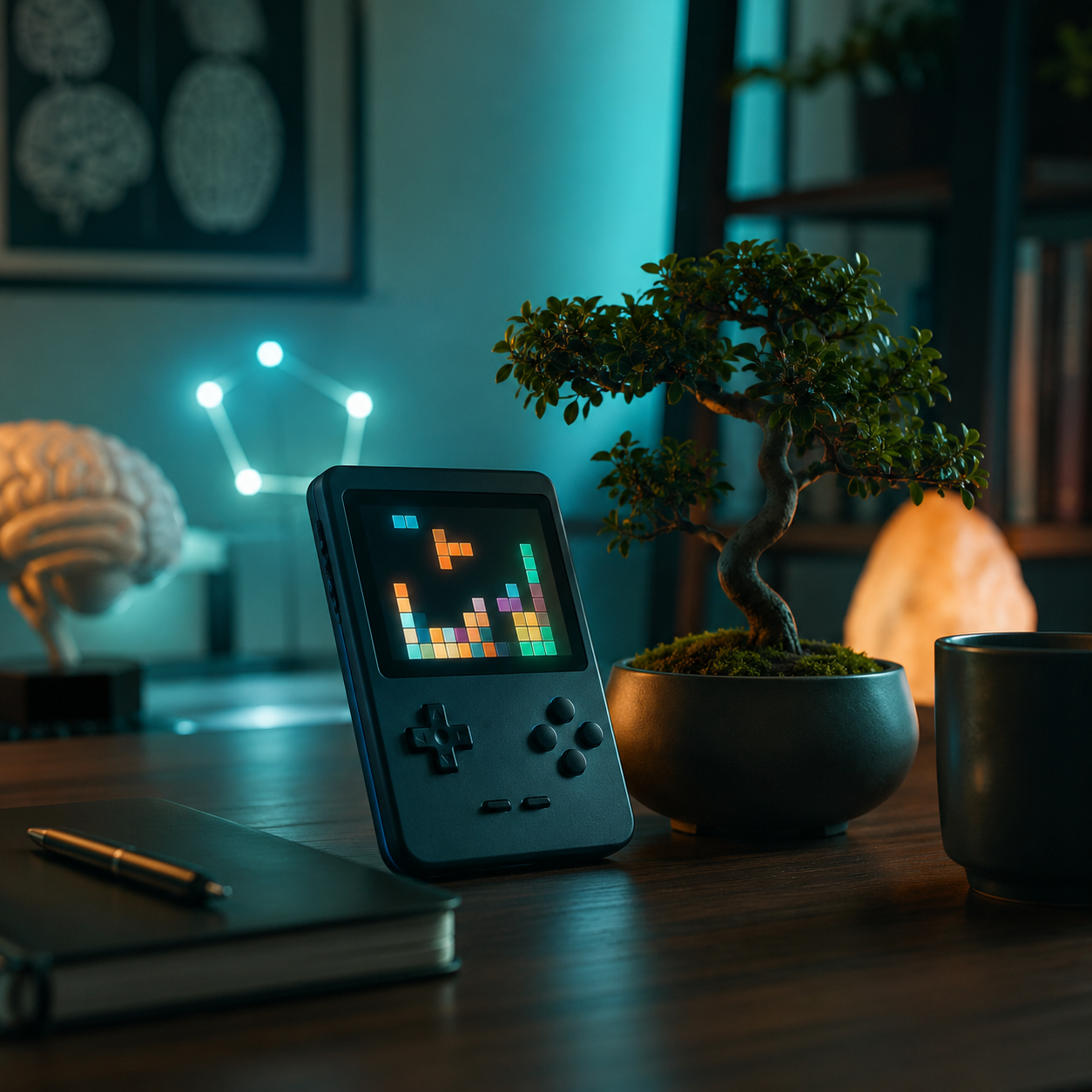
Rewiring the Trauma Brain: How Tetris Actually Increases Brain Volume in PTSD Recovery
Can video games physically heal a trauma-damaged brain? Discover the landmark study showing how playing Tetris increases hippocampal brain volume and reduces PTSD symptoms.
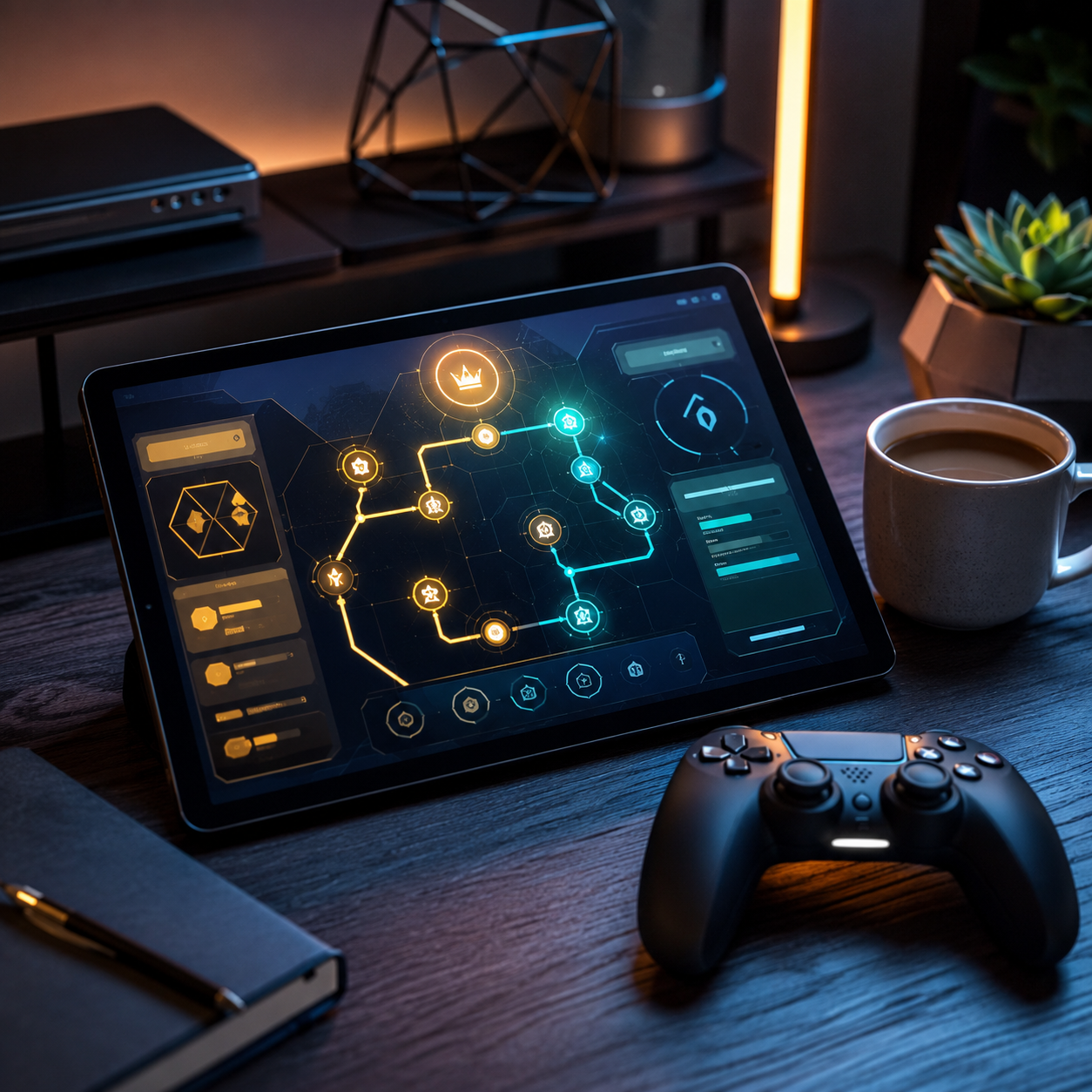
Gaming the System: How to Use Game Design to Hack Executive Dysfunction
Struggling with task initiation paralysis or ADHD burnout? Discover how stealing video game mechanics can help you build daily systems that actually work for your brain.
When Your Kid Games: How to Turn Screen Time Battles into Bonding Opportunities
Tired of daily screen-time battles with your kids? Discover how parents can turn video games into powerful tools for connection, communication, and emotional regulation.
Why Traditional Relaxation Fails Neurodivergent Adults (And How Gaming Helps)
Mindfulness meditation making you feel more anxious? Discover why passive rest often fails ADHD and autistic brains, and how gaming provides active decompression.
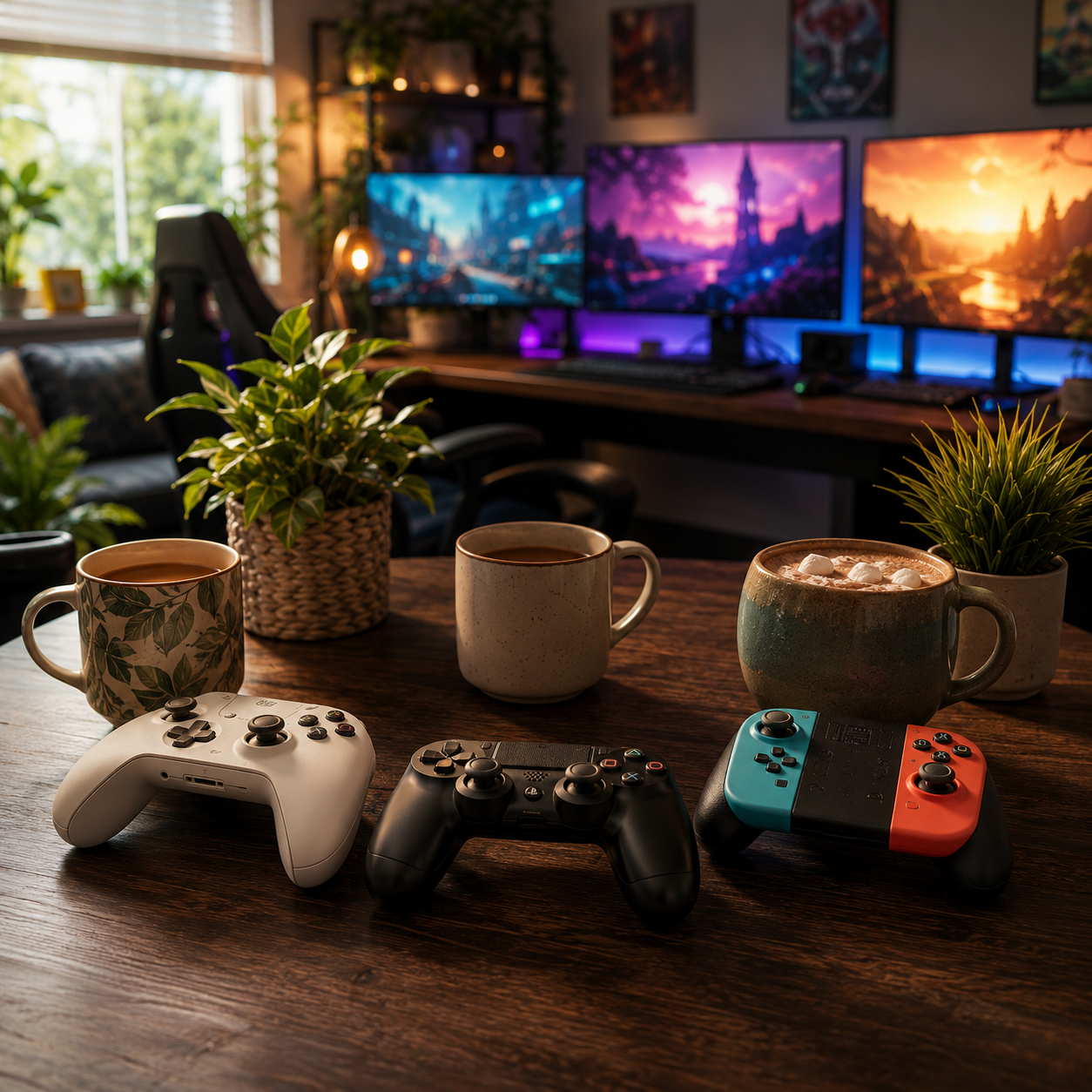
Beyond the Therapy Couch: Why Psychoeducational Gaming Groups Are a Standalone Powerhouse
Psychoeducational support groups aren't therapy—they are skill-building powerhouses. Discover how combining structured mental health education with video games creates a low-pressure space to learn, play, practice, and grow.
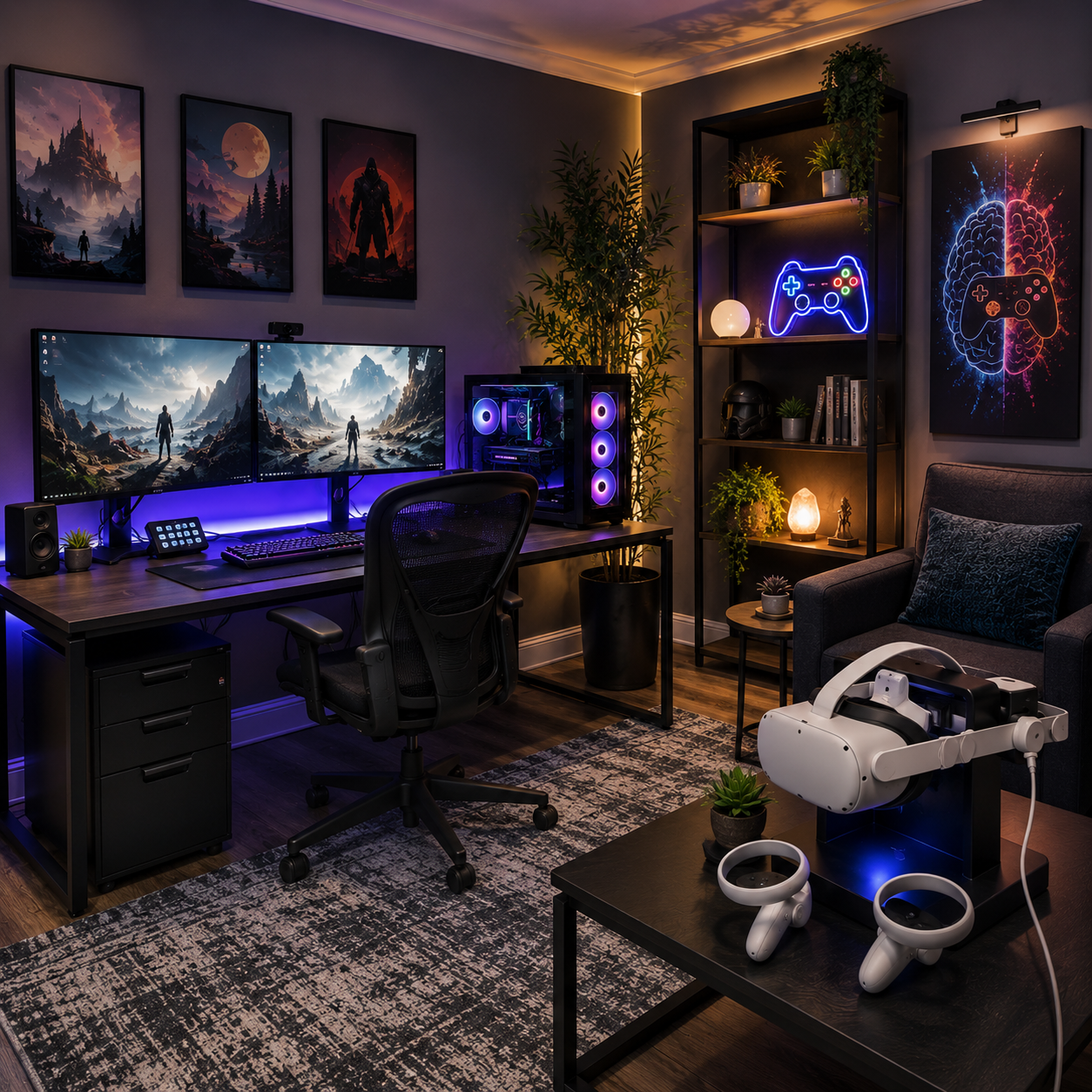
Video Games and Aging: Can VR and Gaming Keep Your Brain Sharp?
Can video games help keep your brain sharp as you age? New research shows VR and motion gaming improve memory, executive function, and daily planning in older adults.
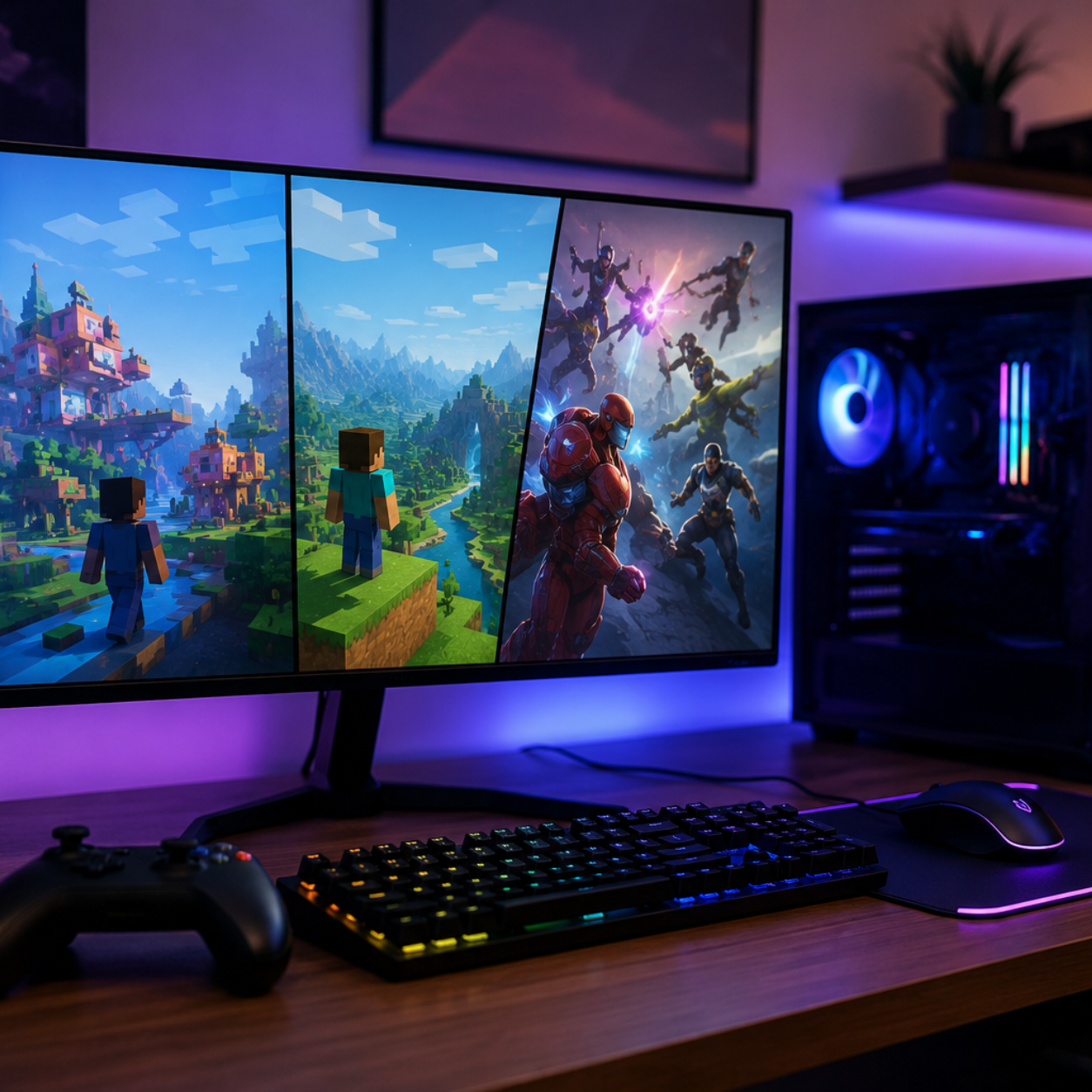
How Games Like Roblox, Minecraft, and Marvel Rivals Teach Real-World Emotional Regulation
From setting social boundaries in Roblox to surviving Creepers in Minecraft, discover how video games serve as real-time practice grounds for handling stress, social anxiety, and frustration.
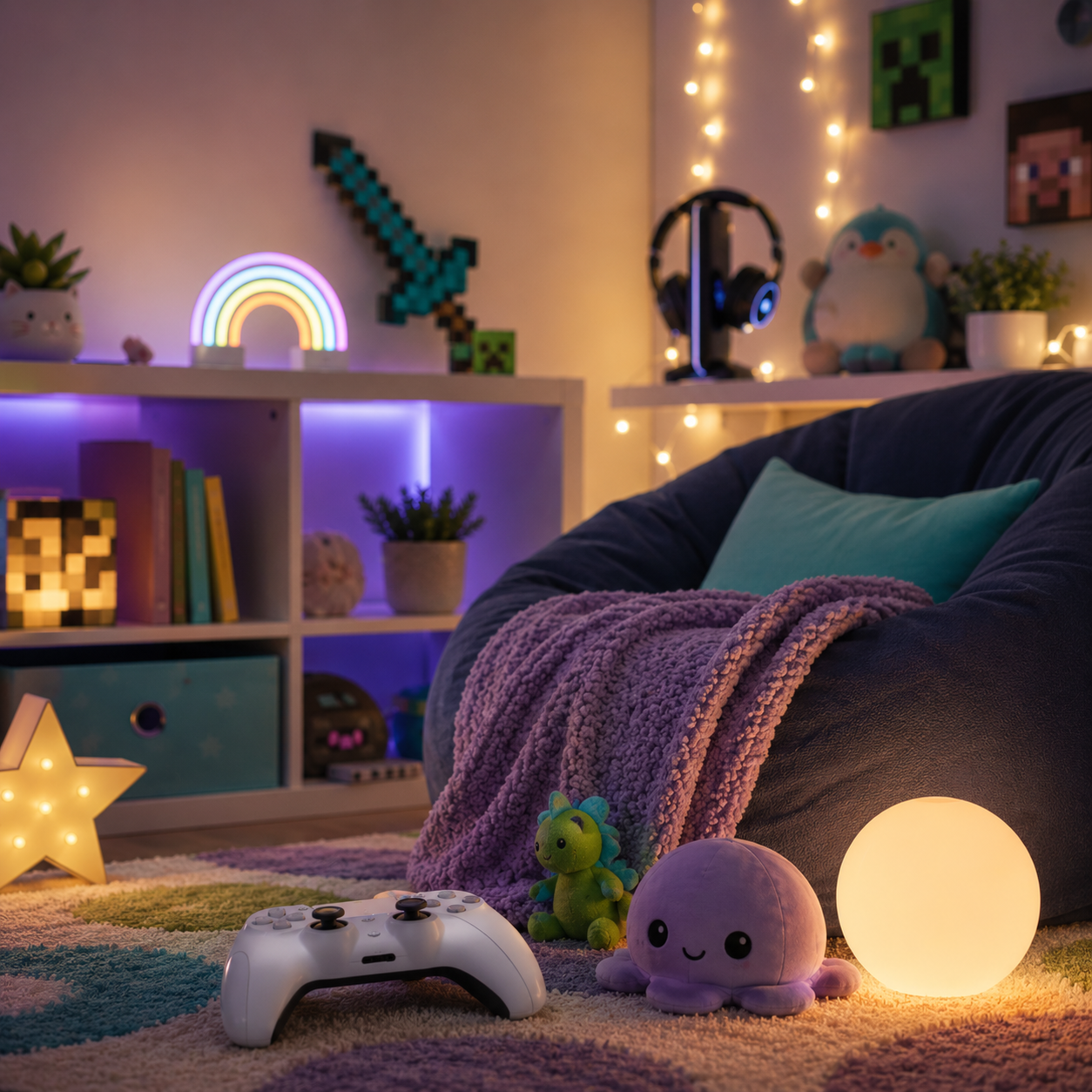
Why Traditional Therapy Fails Tech-Native Kids (And How Gaming Bridges the Gap)
When traditional "sit-and-talk" therapy leads to shutdown or refusal, meeting tech-native kids where they feel safe—in the digital world—changes everything.