The Paradox of Play: Why Having 100 Games Makes You Want to Play None of Them
You finally have two hours of free time. You sit down in front of your console or PC, boot up your gaming library, and stare at the screen.
You have dozens—maybe hundreds—of incredible titles: sprawling RPGs, fast-paced action titles, indie gems, and cozy simulators.
Yet, after scrolling through your library for 45 minutes, you sigh, close the menu, and end up scrolling on your phone instead.
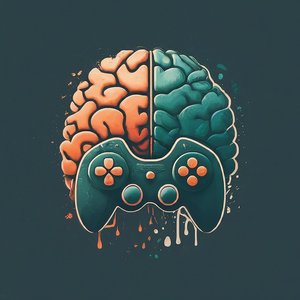
If this happens to you, you aren't "falling out of love with gaming." You are experiencing a well-documented psychological phenomenon known as Choice Overload (or the Paradox of Choice).
When our digital environments offer unlimited options without structure, our brains don't feel liberated—they shut down under cognitive fatigue.
The Cognitive Science of "Backlog Paralysis"
In 2004, psychologist Barry Schwartz introduced the concept that while some choice is good, an excessive number of choices leads to anxiety, decision fatigue, and paralysis.
In a digital age filled with subscription passes, digital sales, and massive storage drives, modern gamers face unprecedented option volume.
A 2020 cognitive study published in Frontiers in Psychology examined how excessive choices impact executive function and mental fatigue. Researchers found that when individuals face too many options with subtle trade-offs, the prefrontal cortex becomes overloaded. This triggers decision avoidance—the brain's subconscious strategy to avoid the mental energy cost of choosing, leading people to abandon the activity altogether.
For neurodivergent adults (especially those with ADHD), who already manage daily executive function strain, staring at a giant backlog doesn't feel like leisure. It feels like an unorganized to-do list demanding cognitive resources you don't have left to give.
3 Ways to Break Decision Fatigue and Enjoy Gaming Again
If your backlog is keeping you from actually playing, here is how you can declutter your digital space and make gaming feel like true decompression:
1. Implement the "Rule of 3" (Visual Curation)
When your library displays 50 installed titles, your brain tries to evaluate all 50 simultaneously.
The Fix: Create a dedicated folder, category, or favorite tab labeled "Currently Playing" and limit it to strictly three games of different vibes:
One narrative or deep game (e.g., an RPG).
One low-pressure or cozy game (e.g., a simulator or puzzle title).
One quick, jump-in title (e.g., a racing or cooperative match game).
Hide the rest of your library from your primary dashboard so you only see your top three options.
2. Lower the "Sunk Cost" Pressure
A major source of backlog guilt is feeling obligated to finish games you purchased on sale or started months ago.
The Fix: Give yourself full clinical permission to drop games that no longer serve you. If a game feels like a chore after two hours, uninstall it without guilt. Your leisure time is meant to regulate your nervous system, not satisfy an artificial completion checklist.
3. Use the "5-Minute Coin Toss"
If you find yourself stuck in a scrolling loop unable to choose between two titles:
The Fix: Assign each game to heads or tails and flip a coin.
Pay attention to your gut reaction while the coin is in the air. If you feel relieved or disappointed by the outcome, your brain has already made its subconscious choice—launch that game immediately and commit to playing for just five minutes.
Protecting Your Downtime
Gaming is meant to be a restorative, engaging escape from the demands of everyday life. By intentionally managing your digital environment and reducing choice overload, you remove the friction between sitting down and actually enjoying your playtime.
Research Reference:
Chernev, A., & Hamilton, R. (2020). Decision avoidance in choice overload: The role of context and mindset. Frontiers in Psychology, 11, 1421.
To explore the peer-reviewed research mentioned in this article, you can search the citation above in Google Scholar or PubMed.